Why is The Eu Rejecting Almonds That Sell On US Store Shelves Right Now?
The answer is simple. It is because of the difference in acceptable aflatoxin levels allowed in almonds in the US vs the EU. And the difference is big. The US allows 20 ppb vs the EU's 10 ppb. That is double the amount.
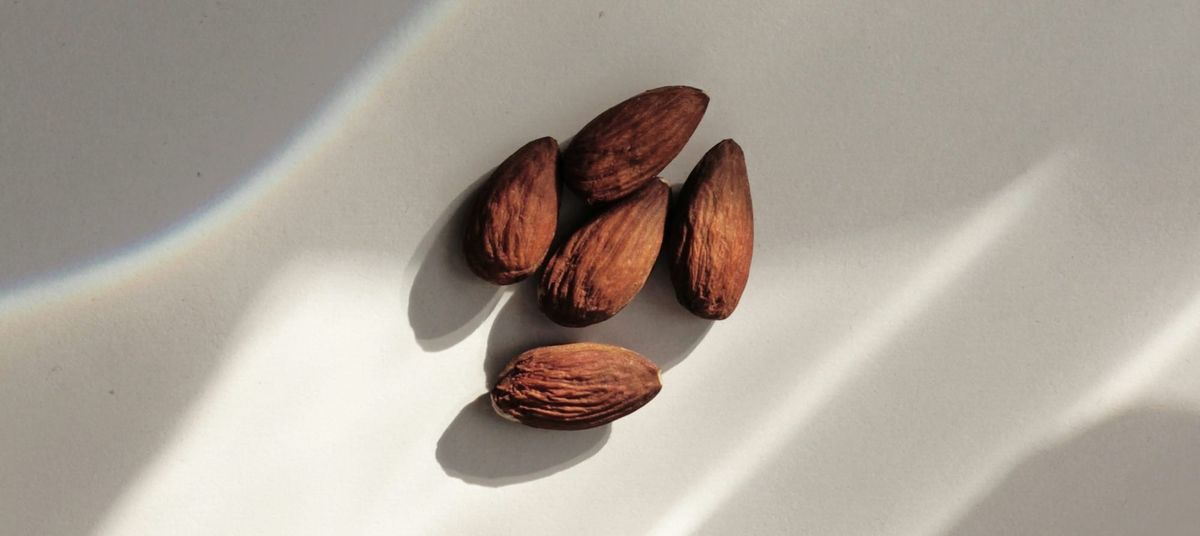
The answer is simple. It is because of the difference in acceptable aflatoxin levels allowed in almonds in the US vs the EU. And the difference is big.
The US allows 20 ppb vs the EU's 10 ppb. That is double the amount.
But what even is an aflatoxin and why is this concerning?
The World Health Organization classifies aflatoxins as a Group 1 carcinogen — the highest designation for carcinogens. Basically all this means is that there is convincing, robust scientific evidence that the agent causes cancer in humans.
Now that you are up to date on the concern with aflatoxins, this brings us back to what originally surprised us. The fact that almonds being sold in the US are being rejected by the EU.
Most recently an import of US almonds was tested by the European Rapid Alert Network for Food and Feed (RASFF) to have 29 PPB of aflatoxins in the almonds. "It is necessary to raise awareness among authorities and society about the danger posed by the entry of nuts from the U.S. containing aflatoxins,” Guerrero said, “due to the high health risk posed by consuming this product, which can reach levels two to three times higher than those permitted in Europe.” Pedro Guerrero, head of the Fecoam sector, said.
But rather than being angry or frustrated we realize that there is room for improvement. The US sets the standards but it is up to the consumer to 1) Learn about the standards our food is being held to 2) Make our own decisions on the standards we want to hold ourselves to.
Ask yourself: What is the acceptable amount I would allow myself to consume? Maybe you believe the US standard is acceptable maybe you think the Eu standard is acceptable or maybe you want to create your own standard either way find your standard.
We are not here to tell you what your standards should be. We want to give you the information to make that decision on your own and give you the results of the what's in the food you eat.
"Well I'll just buy organic": Unfortunately the standard is no different for organic foods. The accepted level for US organic food is still 20 ppb.
The Problem: Companies are not transparent with the levels in the almonds they sell. They only adhere to the use standard set by the US of 20 PPB. Making it hard for consumers to up hold their standard and decide what to and what not to consume.
Ask yourself this question: Why would companies keep their test results private? Your answer should reveal a lot and help the whole picture come into focus.
No matter the answer the solution is more important. Which we came to by asking What would be the best way to help people make better buying decisions? The answer we believe is 1) to give you the transparency on the products you consume and 2) to give you the tools to ask more questions and make better decisions. The standard should be set by you and to be able to uphold your standard you deserve to know what is in the products you buy.