What Is Cadmium — And Why Is It In Your Hazelnuts?
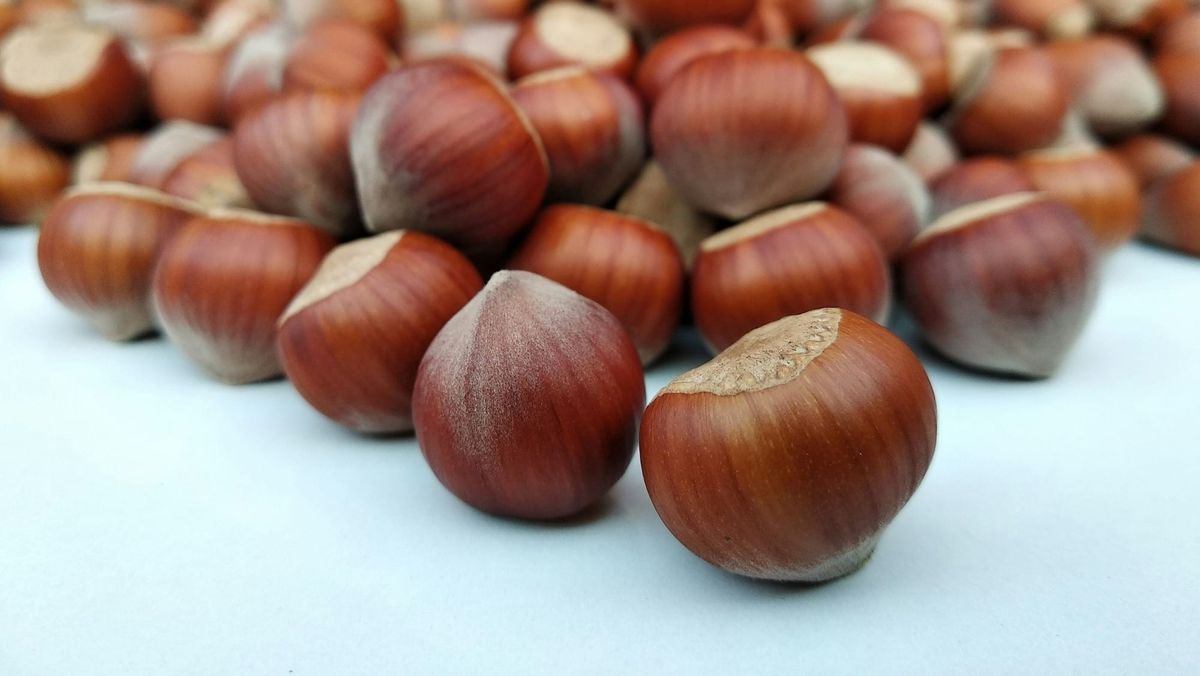
Hazelnuts are essentially slow-growing sponges. Over years of development, their roots draw up whatever is in the surrounding soil — nutrients, water, and anything else that happens to be down there. Cadmium, a naturally occurring heavy metal and a classified human carcinogen, does not get filtered out. It gets concentrated.
Why hazelnuts specifically.
Of all commonly consumed nuts, hazelnuts consistently show the highest cadmium concentrations in independent testing. It comes down to biology and time. Hazelnut trees have a longer growing cycle than most crops — more years in the ground means more years of absorption. And the ground itself is often more contaminated than people realise. Decades of phosphate fertilizers and industrial activity have quietly elevated cadmium levels in agricultural soils worldwide. An orchard can look pristine and still be sitting on soil that has been accumulating this metal for a generation.
Why is this important.
Think of cadmium like a houseguest that never leaves. Once it enters the body it settles primarily in the kidneys and research places its half life in kidney tissue at between 10 and 30 years. Unlike most dietary contaminants your body processes and clears, cadmium compounds with every exposure. The European Food Safety Authority has set a strict weekly intake limit specifically to prevent the kidney damage and bone deterioration that come with long term accumulation at low doses.
Why is this frustrating.
The FDA has no established action level for cadmium in tree nuts. No limit means no legal obligation for brands to test publicly, disclose results, or tell you anything at all. So here is the practical reality — if you wanted to track your cadmium intake from hazelnuts, the data you would need simply does not exist in any public form. You are being asked to make a dietary decision without the information required to make it properly.
Set your own standard.
How much cadmium are you comfortable accumulating over the next decade? Does the brand you buy test for it — and would they share the results if they did? The EU has a defined weekly limit. The US has nothing for tree nuts. The gap between those two positions is where your own standard lives.
What you can do right now.
Soaking, roasting, or boiling hazelnuts reduces compounds like phytates which influence how minerals — including cadmium — are absorbed in digestion. Rotating nut varieties spreads your exposure across a broader profile rather than concentrating it in one source. And a direct email to your preferred brand asking for their cadmium testing data is a reasonable request — one worth making.
What SOL is aiming to fix.
You should be able to buy hazelnuts and know exactly what is in them — down to parts per billion, one unit of contaminant per billion units of food. That number should be on record, publicly accessible, and tied to the specific batch in your hand. We are building toward that. Batch by batch, result by result, published openly. Join us in the journey to give you tools and the results you deserve.