We Looked for Lab Results on Nut Brand Websites- We Found Awards Instead.
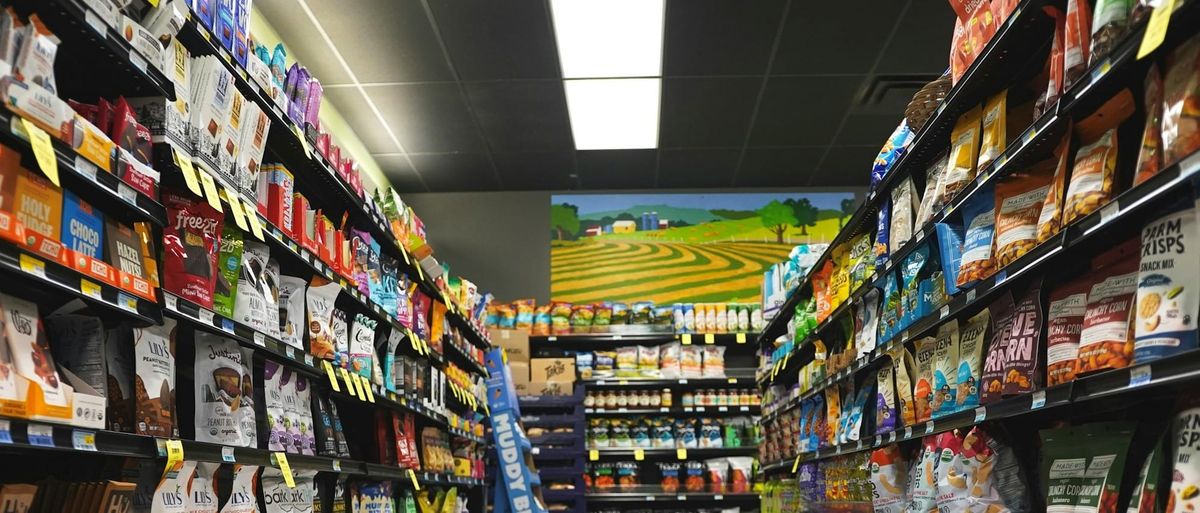
Imagine a restaurant with a sign in the window that says "Highest Quality Ingredients, Guaranteed." You ask to see their health inspection score. They show you an award instead.
That is roughly what happened when we went looking for actual lab results on the websites of the biggest nut brands in the country.
What we were looking for.
One thing. Not a quality statement. Not an award. An actual lab result — a real number showing what was tested for and what came back. We checked the websites of the largest nut brands sold in the US, the ones sitting on nearly every grocery shelf in the country.
What we found instead.
Confidence. A lot of it. Blue Diamond's food safety page tells you that you can "rest assured" you are getting the safest, cleanest, freshest almond products available. Their sustainability report says their "strict quality assessments and food safety standards ensure that our almonds are the best available." Wonderful Pistachios has stated they invested more than $50 million in food safety programs and modernized sanitation practices.
These are real investments and they are not nothing. But notice what is missing from every one of these statements. A number. Not one of them tells you what a batch actually tested for, or what came back.
More evidence of the same pattern.
Planters' own website features pages about their values, their mascot, and their history — nothing showing an actual test result for any product. Kirkland Signature nut products carry no published lab data either — the only outside scoring available comes from a third party nutrition database estimating category-level concerns, not an actual batch result from the company itself.
This is not a coincidence across four of the largest nut brands in the country. It is the standard. Confidence is the product being sold. The number is not included.
Set your own standard.
If a brand will not show you the number, what does that tell you? "Trust us, we are committed to safety" and an actual lab result are not the same thing, even though they are often presented as if they were.
Ask yourself what you would actually want to see before you believed a quality claim like that. Would a certification logo be enough? Would an award from an industry group satisfy you, or would you want to see the specific test, the specific result, and know who ran it? Most people have never had to think about this question before, because most claims like this go unquestioned.
There is also a difference worth sitting with between a brand saying nothing is wrong and a brand proving nothing is wrong. One is a statement. The other is evidence. Right now almost every nut brand on the shelf is offering you the first and calling it the second.
What SOL is aiming to fix.
We are not interested in showing you an award or a statement of commitment. We test the product, and we publish the actual number — what was tested for, and exactly what came back. Not because the brands are necessarily hiding something dangerous. Because you deserve to see the same thing they see, instead of being asked to trust a sentence with no data behind it.