The Fruit on Your Counter Was Picked Before It Was Ready
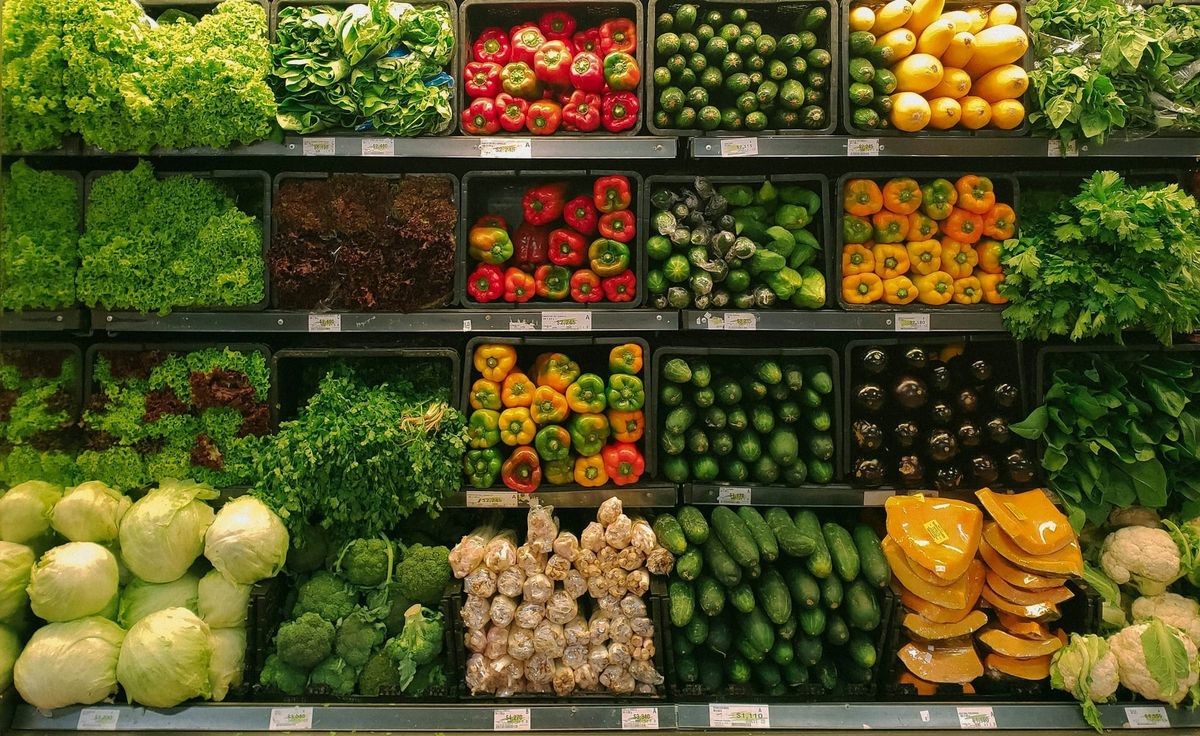
Most of what you call fresh produce was never allowed to finish. It was picked early — firm enough to survive trucks, cold storage, distribution centers, and retail display — and then encouraged to look ripe once it arrived. The gap between what the fruit became on the plant and what it became in a warehouse is not something any label covers. It is not something most people have ever had a reason to think about.
The tomato that never tasted like a tomato.
More than 80% of tomatoes sold in the United States are picked while green. The reasons are practical and entirely disconnected from your experience of eating them. Green tomatoes are firmer and withstand shipping with less injury. A green harvest is less labor-intensive and keeps the fruit in the field for a shorter time, reducing weather and pest risk.
After harvest, ethylene gas is applied to cause the tomatoes to develop red color. This turns them red. It does not turn them into vine-ripened tomatoes. A portion of the green fruit is harvested at the immature green stage, which means it will never achieve full ripeness even with ethylene application. The flavor development that happens on the vine — the process connected to sunlight and the plant itself — never occurred.
The tomato looks right. That is the point.
The peach that left its sweetness on the tree.
Peaches do not increase sweetness or develop new nutrients post-harvest — sugar content peaks on the tree. What can improve off the tree is texture and aroma. What cannot is the sugar and nutritional density that develops through photosynthesis in those final days on the branch. In the grocery store distribution system, peaches are often picked early, before sugars are able to fully develop. A peach picked while still firm withstands long-distance shipping far better than one picked at peak ripeness.
What you cannot see is what happened in cold storage. Peaches imported from the Southern Hemisphere can spend four to six weeks in cold storage before reaching a store. After a certain period of refrigeration, internal breakdown occurs — the flesh turns dry and mealy, or hard and leathery, sometimes browning from the inside out. You do not discover this until you take a bite.
The sweetness you were expecting was already gone before the fruit left the farm.
The apple that has been asleep for most of a year.
When proper growing and harvesting techniques are used, many varieties of apple can store for 12 months or longer in controlled atmosphere storage. Most of these apples are shipped to market between January and September. Controlled atmosphere storage works by sealing apples in rooms where oxygen is reduced to around 2%, essentially putting the fruit into hibernation. Almost every apple you see in a grocery store out of season will have been, at some point in its lifetime, subjected to it.
The apple looks fresh. But controlled atmosphere storage slows ripening and maintains firmness while also inhibiting flavor development — the longer the apple has been in storage, the more of that flavor profile has quietly faded. Nothing on the label tells you when it was picked or how long it has been in a sealed room with the oxygen turned down.
The apple in your hand could be from last week or from last autumn. You have no way of knowing.
None of this is hidden in the sense that someone is actively concealing it.
It is just not something the system was designed to show you. The label tells you what the fruit is. It does not tell you when it was picked, how long it traveled, how it was ripened, or what it lost along the way. The assumption built into every piece of produce on a grocery shelf is that you will not ask those questions — and so far, the label has been right.
Ask yourself what fresh actually means to you. Does it mean recently picked? Does it mean ripened on the plant? Does it mean the flavor and nutrient development that only happens in the final days before harvest? And do you currently have any way of knowing whether what you are buying meets any of those definitions?
What SOL is building toward.
We cannot put the sugar back in a peach that was picked too early. But we can tell you what is actually in what you are buying — and give you the information to decide what that means to you. Transparency does not always mean a contaminant. Sometimes it just means the truth about what you are eating and where it actually came from.