"Cage Free" Chicken Was Never Going to Be in a Cage
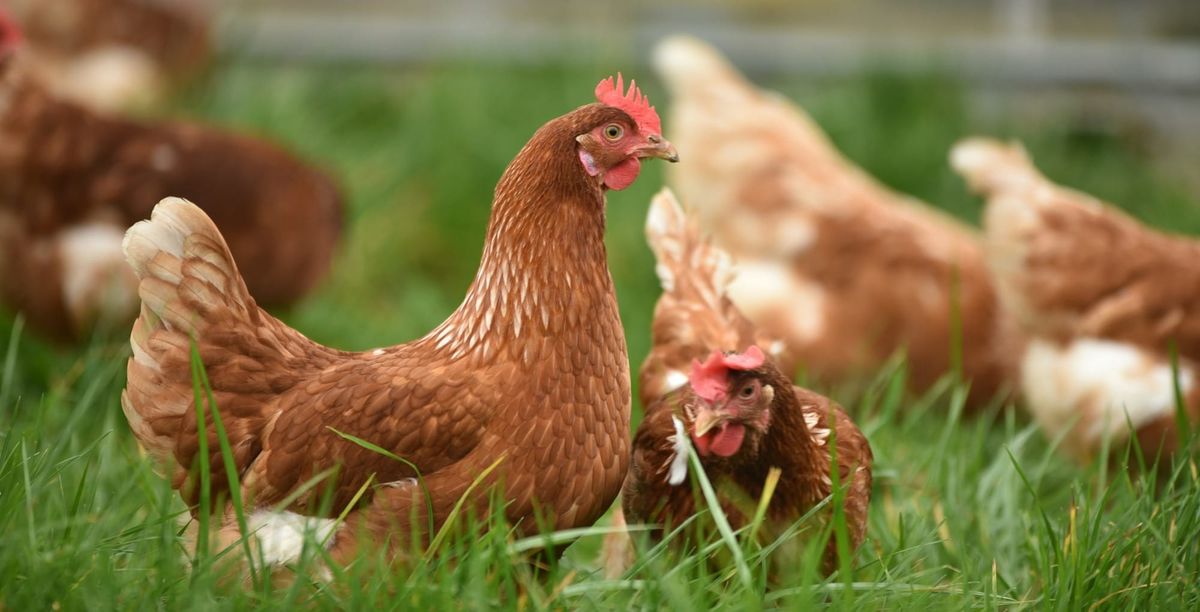
Here is something almost nobody knows. No broiler chicken (chickens raised specifically for meat, as opposed to egg laying hens) in the United States are raised in a cage — regardless of what the label says. Every chicken raised for meat in the US lives in a large enclosed barn called a grow-out house. Cage free or not. The label is telling you something that was already true of every chicken on every shelf before the label existed.
You have been paying attention to a distinction that was never there.
Where the label actually came from.
Cage free is a meaningful label for eggs. Egg laying hens have historically been kept in battery cages — small wire enclosures where a bird spends its entire laying life unable to spread its wings or move freely. Cage free for eggs represents a genuine improvement over that reality. The problem is the label migrated from the egg world to chicken meat, where cages were never part of the picture to begin with. It carried the emotional weight of one product into another where it simply does not apply.
The result is a label that feels like a welfare upgrade and is actually a description of standard practice that was already happening everywhere.
The pattern does not stop there.
Free range for chicken requires only that birds have access to the outdoors — no minimum on how long, how much space, or what that outdoor area actually looks like. A small opening in the side of a barn qualifies. Pasture raised has no federal definition for chicken at all. Humanely raised has no uniform federal standard — what it means depends entirely on whether a named third party certifier is backing it, and most labels do not tell you that clearly.
The pattern across all of these is the same. Each label tells you just enough to create a picture in your mind. None of them are responsible for whether that picture is accurate.
Set your own standard.
Think about what you are actually picturing when you reach for a package that says cage free or free range. Grass. Space. A chicken that lived something resembling a natural life. Now think about how much of that picture came from the label and how much came from your own assumption filling in the gaps.
What would you actually want to know before deciding a label matched your values? Whether the chicken ever stepped outside? Whether the outdoor space was grass or gravel or a concrete pad with a door that rarely opened? Whether the premium you paid mapped to something real or something you imagined?
Most people have never been given the information to answer those questions. The labels were never designed to answer them.
What SOL is aiming to fix.
A chicken that lived its whole life in a crowded barn and a chicken that foraged outside are genuinely different things. The label should tell you which one you are buying. Right now it does not — and most of the time it implies the opposite of what is true.
We are not here to tell you which chicken to buy. We are here to make sure that when you choose, you are choosing based on what actually happened — not the picture the label filled in for you.